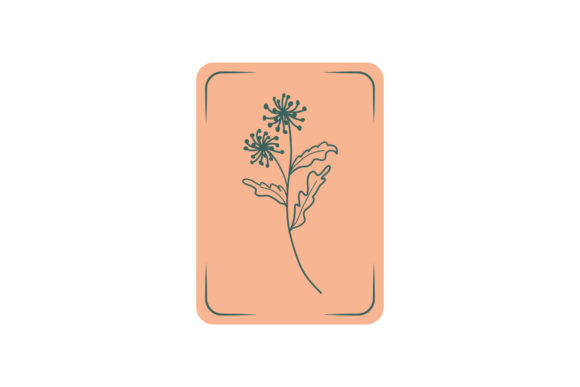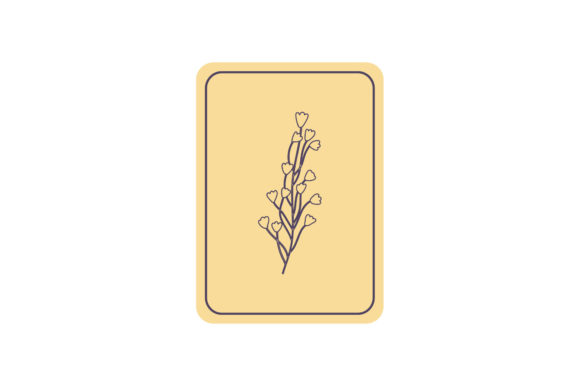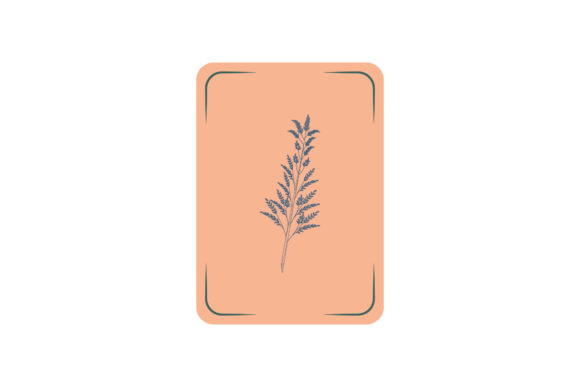
Flowers Beauty Card Embroidery Review
As a designer who spends more time than I care to admit staring at stitch density charts and fabric swatches, I approach every new digital embroidery file with a healthy dose of skepticism. The market is flooded with vector assets that look stunning on a screen but fall apart under the needle. Today, I am evaluating the Flowers Beauty Card Illustration, a graphic categorized under Illustrations and Graphics. My goal is to determine if this asset has the structural integrity and aesthetic appeal required for real-world machine embroidery design projects, or if it belongs in the "nice-to-have" folder of my desktop.
First Impressions: Mood and Visual Personality
When you first load the Flowers Beauty Card Illustration, the immediate takeaway is its delicate balance between whimsy and structure. It does not scream for attention; instead, it invites the viewer in. This is a critical distinction for embroidery project success. Loud, chaotic designs often translate poorly into thread, resulting in muddied textures when stitched. This illustration, however, possesses a clean visual personality that suggests it will hold its shape well.
The layout feels inherently suited for framing. Whether intended as a standalone motif or part of a larger collection, the negative space is handled intelligently. For an Etsy seller or a craft business owner, this translates directly to product value. A design that looks good in a small hoop is infinitely more versatile than one that requires a massive frame. The mood is soft, feminine, and timeless, making it an excellent candidate for personalized gift items rather than fast-fashion trends.
Real-World Application: From Screen to Stitch
Let’s move past the pixels and talk about the finished product. I imagined using this illustration for a custom embroidered tote bag design. Why a tote? Because canvas provides a stable base that allows the finer details of the Flowers Beauty Card Illustration to shine without distortion. In this scenario, the design would likely serve as the central focal point, perhaps centered on the front panel.
However, the versatility of this graphic extends far beyond bags. Consider a sweatshirt embroidery application. Placing the design on the left chest area of a crewneck creates a sophisticated, boutique-level detail. It elevates a basic garment into a high-end piece. Similarly, for baby embroidery, such as on a muslin blanket or a onesie, the gentle lines of the flowers offer a tender aesthetic that parents appreciate. It avoids the cluttered look that can sometimes overwhelm smaller garments.
I also see strong potential in home decor. A pillow cover featuring this graphic would add a touch of elegance to a living room or nursery. The design’s clean lines suggest it would pair beautifully with a simple satin stitch border, creating a polished frame around the floral elements. For holiday embroidery, specifically spring or summer themes, this asset fits seamlessly into collections meant for tea towels or kitchen aprons, adding a fresh, cheerful vibe to everyday items.
Technical Challenges and Fabric Considerations
No design is perfect, and transparency is key for any professional reviewer. While the Flowers Beauty Card Illustration is visually appealing, there are specific scenarios where caution is advised. Embroidery is a subtractive process in some ways—you are removing the illusion of flat color to create texture. If the original vector contains extremely fine, hairline details, these may disappear entirely during digitization or stitching, especially on textured fabrics like heavy denim or boucle wool.
Stitch density is another critical factor. If the design relies heavily on dense fill stitches to render the flower petals, it may become stiff and unyielding. This is particularly problematic for custom apparel items like t-shirts or lightweight cotton blends, where stiffness can detract from the comfort and drape of the garment. I recommend checking the digitized version to ensure the stitch density is balanced. If the design feels too heavy, consider converting solid areas to applique design techniques or using lighter fill patterns.
Fabric choice matters immensely. Dark fabrics can hide subtle shading in the illustration unless high-contrast thread colors are selected. Conversely, stretchy fabrics require a robust stabilizer to prevent puckering. If you plan to use this for an embroidered patch or a cap, be mindful of curved surfaces. Designs with sharp corners or intricate internal details can distort when stretched over the curve of a hat brim or visor. Always test on scrap fabric first to gauge how the floral elements behave under tension.
Practical Designer Notes for Implementation
- Contrast is King: Before committing to a full production run, inspect the design in black and white mockups. This helps identify if the shapes remain distinct when color information is removed, ensuring clarity in the final stitch work.
- Hoop Size Verification: Confirm the recommended hoop size for the design. If the Flowers Beauty Card Illustration is large, ensure your machine and workspace can accommodate it without frequent re-hooping, which can misalign the design.
- Stabilizer Selection: Use the proper stabilizer for your fabric type. Cut-away stabilizers are generally safer for woven fabrics and commercial embroidery items that will undergo frequent washing, while tear-away might suffice for temporary applications.
- Licensing Checks: Since this is a vector graphic suitable for various uses, double-check the license terms. Ensure you have the right to sell finished physical products created with this design asset. Some licenses restrict commercial use or require attribution.
- Thread Color Testing: Experiment with different thread colors to see how they interact with the design’s lines. Metallic threads might add luxury but could increase friction on the machine, while matte threads offer a softer, more traditional look.
Final Verdict: Is It Worth the Investment?
The Flowers Beauty Card Illustration proves to be a thoughtful, well-composed asset that respects the limitations and possibilities of embroidery. It is not a flashy, overly complex piece that demands perfection, but rather a reliable, elegant design that enhances the perceived quality of any handmade product.
For small shop owners and creative entrepreneurs, this illustration offers a low-risk, high-reward option. It works well for printable mockups to preview how a design might look before investing time in digitizing or sourcing materials. Its adaptability makes it suitable for a wide range of finished product ideas, from wedding gifts to boutique branding.
Ultimately, the success of this embroidery file depends on your execution. By paying attention to fabric selection, stabilizer usage, and thread contrast, you can transform this beautiful graphic into a professional-grade item that customers will love. It is a solid addition to any designer’s library, particularly for those focusing on soft, floral, and elegant aesthetics.