Review: Flowers and the Pot Line Style Embroidery Design
As a designer who spends more time than I care to admit staring at stitch density charts and testing thread tensions, I approach every new machine embroidery design with a healthy dose of skepticism. We are all drowning in digital assets, but finding a piece that actually translates well from screen to fabric is rare. Today, I am putting the Flowers and the Pot Line Style vector graphic through its paces. This isn’t just about how it looks in your design software; it is about how it performs when you are trying to sell a handmade product or create a meaningful personalized gift.
First Impressions: The Mood and Visual Personality
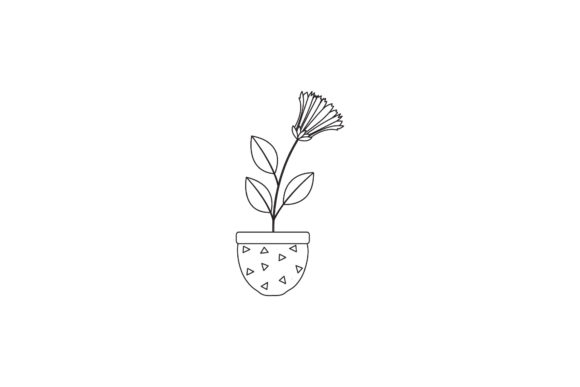
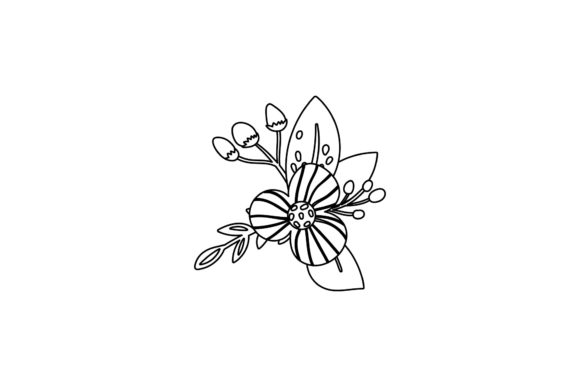
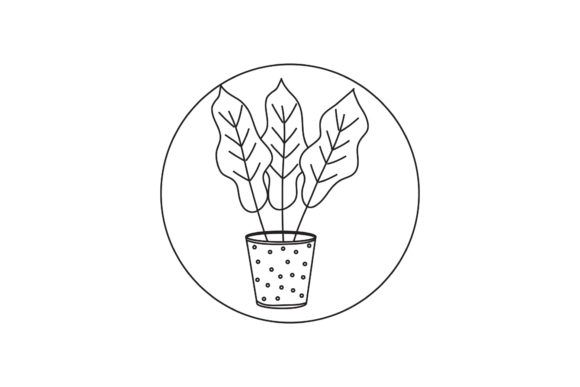
The moment you open this file, the first thing that strikes me is the clean, minimalist aesthetic. In the world of embroidery project files, "line style" can often feel flat or overly simplistic if not executed with intention. However, Flowers and the Pot Line Style manages to balance simplicity with charm. It evokes a cozy, botanical mood that feels right at home in modern farmhouse decor, boutique branding, or casual streetwear.
From a pure visual standpoint, the layout is balanced. The pot provides a solid anchor, while the flowers offer organic movement. For designers, this is crucial. A design that is too busy will turn into a muddy mess of tangled threads, especially if you are working with limited thread colors. This design’s reliance on negative space means it has room to breathe. It suggests a lighter touch in stitching, which immediately raises my confidence level regarding potential puckering or distortion on delicate fabrics.
Real-World Application: Where Does This Fit?
Let’s move away from the theoretical and talk about actual use cases. I recently had a client request a custom embroidered tote bag for a small local florist. They wanted something that screamed "botanical" but didn't look like a cliché bouquet clipart. I pulled Flowers and the Pot Line Style into my hoop and started mocking it up.
This design shines in several specific categories:
- Tote Bag Designs: The line art style works beautifully on canvas or cotton totes. Because the lines are distinct, they read clearly even on textured fabrics. It adds a sophisticated touch without overwhelming the bag's utility.
- Baby Embroidery: I see this translating exceptionally well to baby clothes or nursery decor. The soft curves of the pot and flowers are gentle and appealing. When stitched in pastel thread colors, it creates a timeless look that parents love for personalized gifts.
- Sweatshirt Embroidery: On heavier fabrics like fleece or cotton blends, this design stands out. The contrast between the thick fabric texture and the precise line work creates a high-quality finish that elevates the perceived value of the garment.
- Kitchen Towels and Aprons: For craft business owners selling kitchen linens, this is a safe yet stylish bet. It fits the domestic theme perfectly without being overly literal.
If you are an Etsy seller or running a small shop product line, versatility is key. You can take this single digital embroidery file and apply it to everything from embroidered patches to pillow covers. That kind of flexibility is what separates a hobbyist from a professional.
Technical Considerations for Stitching
While the visual appeal is strong, we need to talk about the mechanics of stitching. As an experienced reviewer, I have to point out where this design might require extra caution. Not every graphics file is created equal, and vector-to-embroidery conversion can sometimes introduce hidden pitfalls.
Stitch Density and Clarity: Because this is a line-style design, it likely relies heavily on satin stitches for the outlines and perhaps some running stitches for detail. You must check the stitch density before loading it into your machine. If the lines are too thin relative to the fabric weight, they may disappear. Conversely, if the digitizer added too much fill behind the lines, it could create a stiff, plastic-like feel. Always inspect the small details—especially the leaves and petals—to ensure they won't tangle.
Fabric Texture and Stability: This design is versatile, but it demands the right foundation. If you are stitching on a stretchy knit or a loose-weave linen, you absolutely need a proper stabilizer. Without adequate support, the tension required for the line work will cause the fabric to pucker, ruining the clean aesthetic. I recommend testing on scrap fabric first to dial in your tension settings.
Hooping Constraints: Be mindful of your hoop size. While this design is likely compact, if you attempt to embroider it on a curved surface like a cap brim or a sleeve cuff, the perspective might distort the symmetry of the pot. For best results, keep this design on flat surfaces or large, stable areas of apparel.
When to Use Caution
There are certain scenarios where Flowers and the Pot Line Style might not be your best choice:
- Small Hoop Sizes: If you are trying to fit this into a tiny 4x4 hoop along with intricate lettering, the spacing might feel cramped. Ensure there is enough breathing room around the edges.
- Dense Stitch Areas: If you plan to add heavy fill stitches around the pot to make it pop, be careful not to overcrowd the design. The beauty of this piece is its simplicity; adding too much complexity defeats the purpose.
- Dark Fabrics: On very dark backgrounds, thin line work can get lost unless you use a high-contrast thread color or a backing stabilizer that shows through slightly. Test this carefully.
Impact on Brand and Customer Trust
For commercial embroidery projects, presentation is everything. Customers can often tell the difference between a mass-produced item and a carefully crafted one. A clean, well-executed Flowers and the Pot Line Style embroidery signals attention to detail. It tells the buyer that you care about the quality of the finish.
When you create printable mockups or design assets for your online store, this design photographs well. Its linear nature captures light evenly, making it easy to showcase in product photos. This visual clarity helps drive engagement and builds trust with your audience. Whether you are selling a holiday embroidery kit or a finished custom apparel item, the professional look of this design supports a higher price point.
Final Verdict and Practical Notes
Overall, Flowers and the Pot Line Style is a strong addition to any craft business library. It is adaptable, aesthetically pleasing, and suitable for a wide range of finished product types. However, success depends on your preparation.
Before committing to a full production run, please remember these practical steps:
- Test First: Always stitch a test sample on your actual target fabric.
- Check Licensing: Since this is listed under Freebies, verify the commercial use rights. Some free graphics allow personal use only, while others permit sales of physical goods. Do not assume; read the fine print.
- Inspect Vector Files: Ensure the vector files are openable and editable so you can adjust sizes without losing quality. Resizing is essential for fitting different hoop size constraints.
If you are looking for a reliable, charming, and versatile embroidery file that bridges the gap between digital art and tangible craft, this design delivers. It respects the medium, honors the fabric, and offers endless possibilities for creative entrepreneurs ready to bring their ideas to life.