Tulip Flowers Embroidery Review
As a designer who spends more time looking at stitch lines than actual flowers, I approach every new vector asset with a mix of optimism and skepticism. When I first pulled up Tulip Flowers, my immediate reaction was less about the botanical accuracy and more about how this graphic would translate from a screen to a hoop. In the world of embroidery, a pretty picture is only as good as its execution on fabric. This Illustrations category entry caught my eye not just for its aesthetic appeal, but for its potential utility in real-world craft business scenarios.
First Impressions: Mood and Visual Personality
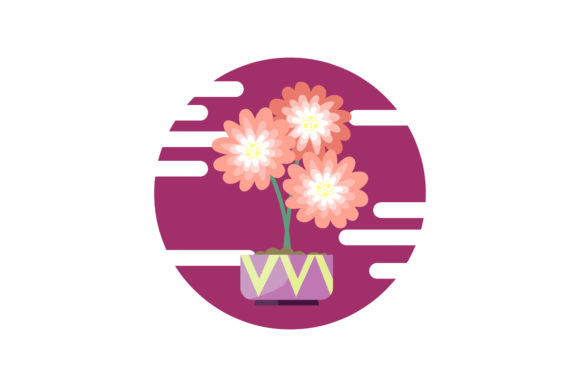
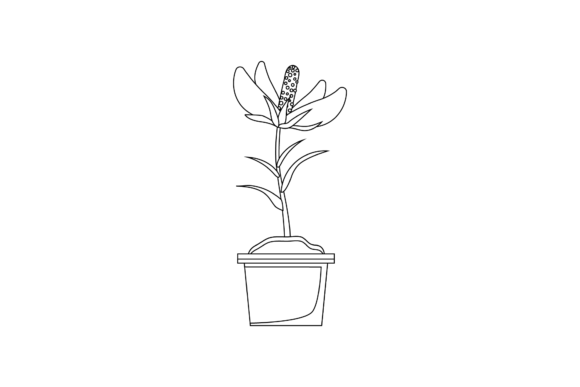
The Tulip Flowers design carries a distinct energy. It isn’t trying to be overly ornate or baroque; instead, it feels fresh, modern, and accessible. The vector nature of the file means that when you open it in your digitizing software, the lines are crisp. There is no pixelation, which is crucial when you are preparing to scale a design for different applications. Whether you are aiming for a delicate embroidered patch or a large statement piece on a tote bag, the integrity of the shape remains intact.
Visually, the tulip is a symbol of spring, renewal, and simple elegance. For an embroidery project, this translates to a design that appeals to a broad demographic. It doesn’t scream for attention like a complex mandala might, nor does it whisper so quietly that it gets lost in the weave. It sits comfortably in the middle—professional yet warm. This makes it an excellent candidate for personalized gifts and boutique branding where you want the recipient to feel cared for without the design feeling childish or overly aggressive.
Real-World Application: From Screen to Stitch
Let’s talk about practical use. Imagine you are preparing inventory for an upcoming craft fair or refreshing your Etsy listings. You have a stack of plain canvas tote bag design options sitting on your table. Placing Tulip Flowers in the center offers a balanced composition that works well for everyday carry items. The clean lines of the vector allow for versatile color palettes. You could go with a monochromatic scheme using various shades of green and pink for a sophisticated look, or pop the tulips against a navy background for high contrast.
I also see this design performing exceptionally well on sweatshirt embroidery projects. Spring and early summer collections often struggle for themes that aren’t too heavy. A stylized tulip graphic adds a seasonal touch without overwhelming the garment. Similarly, for baby embroidery, the soft curves of the tulip petals are gentle and appropriate for nursery decor or baby clothes. However, keep in mind that babies’ skin is sensitive, so ensuring the back of the embroidery is smooth and free of rough stabilizer remnants is paramount.
Another strong use case is holiday embroidery. While tulips are strongly associated with Easter and spring, their universal beauty allows them to fit into general "welcome" or "home" themed decorations. Think pillow covers or kitchen towels. A set of embroidered tea towels featuring Tulip Flowers can serve as a thoughtful handmade product for housewarming gifts or wedding presents. The design’s simplicity ensures it won’t clash with existing home decor patterns.
Where to Exercise Caution
No design is perfect for every surface, and Tulip Flowers is no exception. As an experienced reviewer, I must highlight areas where this vector requires careful handling during the digitization and stitching process.
- Small Hoop Sizes: If you attempt to stitch this design in a very small hoop, such as 4x4 inches or smaller, you risk losing detail. The individual petals and any inner shading need enough space to breathe. If the stitch density is too high for a small area, the fabric will pucker, ruining the final appearance.
- Fabric Texture and Stretch: This design looks best on stable, woven fabrics like cotton, linen, or denim. Avoid using it on highly textured fabrics like chunky knits or bouclé, as the stitch definition will be lost. Similarly, stretchy fabrics like jersey require a heavy-duty stabilizer and careful hooping to prevent distortion.
- Dense Stitch Areas: Depending on how the vector is converted, certain areas might become dense. On thin fabrics, this can lead to stiffness. Always test on scrap fabric first to ensure the hand-feel of the finished product is acceptable.
- Curved Surfaces: While tulips are organic shapes, applying them to curved surfaces like caps or hats requires precise placement. The perspective shift can make straight lines look warped if not accounted for in the digitizing phase.
Technical Considerations for Designers
When working with Tulip Flowers, several technical factors will determine the success of your commercial embroidery ventures. First, consider your thread colors. Because the source is a vector graphic, you have the freedom to choose any thread palette. However, remember that embroidery threads have a sheen that digital screens do not. Test your chosen threads under natural light to ensure they complement each other.
The choice between applique design techniques and traditional stitching is another decision point. If the vector includes separate layers for the petals and leaves, an applique approach could yield a incredibly clean, professional finish, especially on dark fabrics. Alternatively, using a combination of satin stitch for outlines and fill stitch for the bodies can create a rich, textured look. Just be mindful of the running stitch details; if they are too fine, they may break or get hidden by the bulk of the fill stitches.
Stabilizer selection is non-negotiable. For a design like this, which likely involves both detailed lines and filled areas, a cut-away stabilizer is often the safest bet for durability, especially for items that will undergo frequent washing. A tear-away might suffice for one-time wear items, but for a small shop product intended to last, stability is key.
Visual Appeal and Customer Trust
In the handmade market, presentation is everything. A well-executed Tulip Flowers embroidery elevates the perceived value of the item. Customers associate clean stitches and accurate shapes with quality craftsmanship. When a buyer sees a tulip design that holds its shape and has consistent tension, they trust the maker. This trust translates to repeat business and positive reviews.
Furthermore, the versatility of this design allows for brand consistency across multiple products. You can use the same core graphic for a custom apparel line, matching accessories like embroidered patches, and even digital assets like printable mockups. This cohesion helps build a recognizable brand identity. For an Etsy seller or creative entrepreneur, having a reliable, editable vector like Tulip Flowers in your library of design assets is an investment in efficiency and quality.
Final Verdict
Tulip Flowers is a solid, versatile addition to any embroiderer’s toolkit. It strikes a balance between artistic flair and commercial viability. It is suitable for a wide range of embroidery files applications, from personal hobbies to large-scale digital embroidery file production. By paying attention to fabric choice, stabilizer use, and stitch density, you can transform this simple vector into a stunning finished product that delights customers and showcases your skills.
Before committing to a full production run, always conduct thorough tests. Check the design in black and white mockups to ensure contrast, inspect small details for clarity, and confirm licensing terms if you plan to sell the finished items commercially. With proper preparation, Tulip Flowers can be the star of your next collection.